/ PLN
/ PLN
If you're facing choice: set up your own server or go cloud, it's not a "technical" decision at all – only business one. Because it's not just about performance, but costs, data control and how your company will operate in a year or two. In a moment you'll see where cloud makes sense and where local server wins without discussion.
When local server makes more sense than cloud – and why companies return to it?
If you have steady, predictable load, local server wins. And not "somewhat", but often very clearly. This means if you run ERP (e.g. Optima), SQL database, backup or employee system every day, it's better to have it in-house than pay per cloud hour.
From experience – companies starting in cloud very often return to on-premise when they see real bills. Because while cloud start is quick, with continuous use costs grow. Analyses even show that with steady load local server can be many times cheaper long-term.
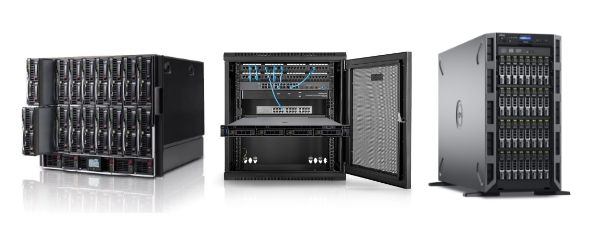
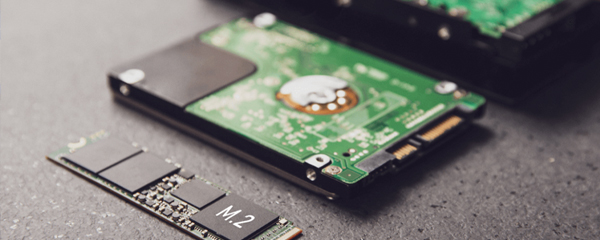
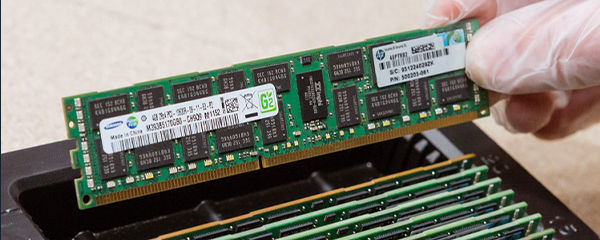
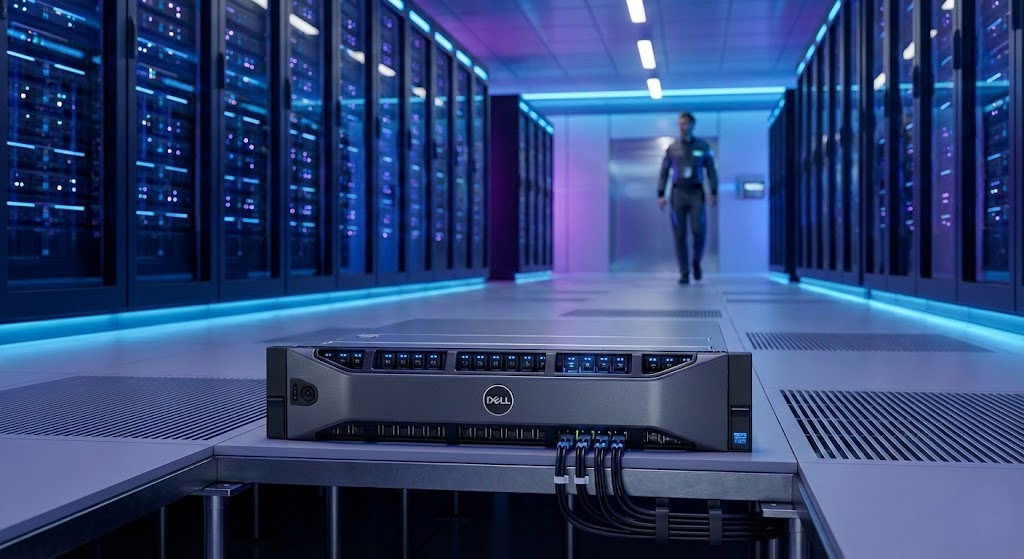
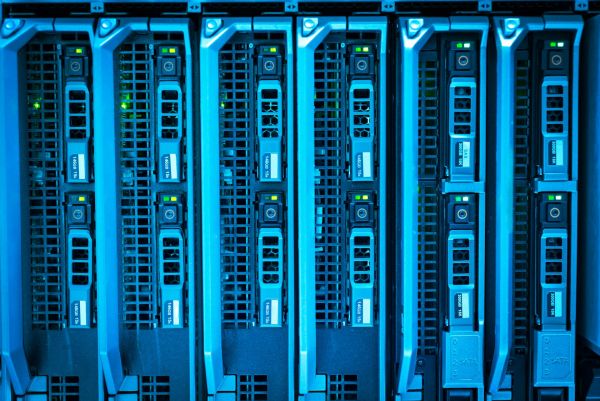
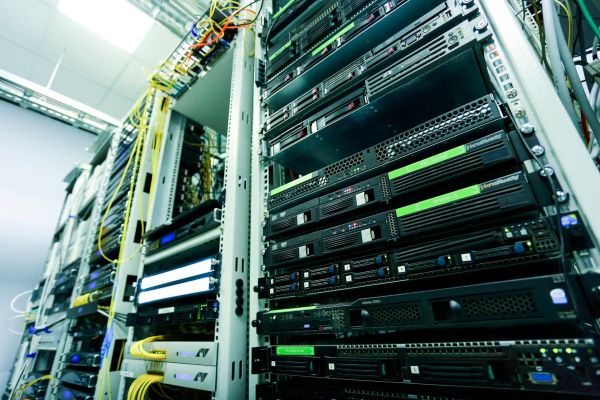
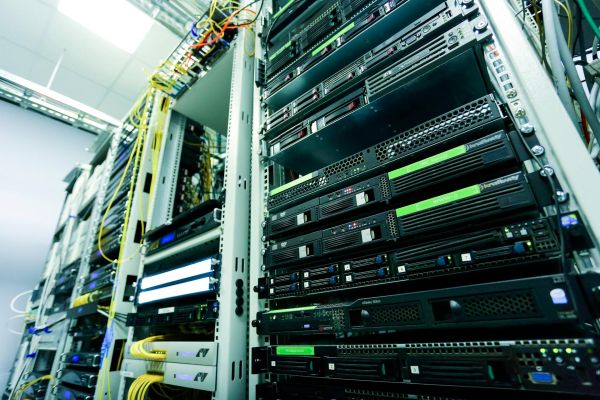
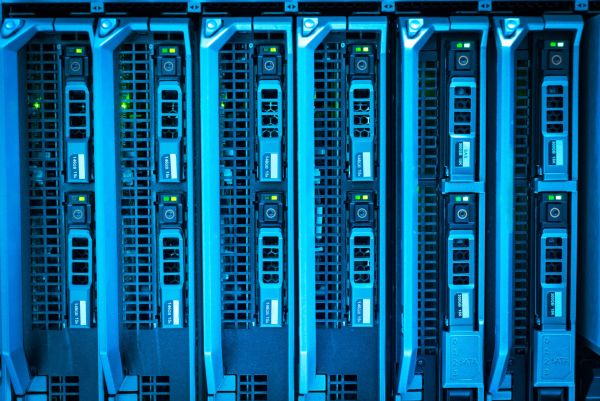
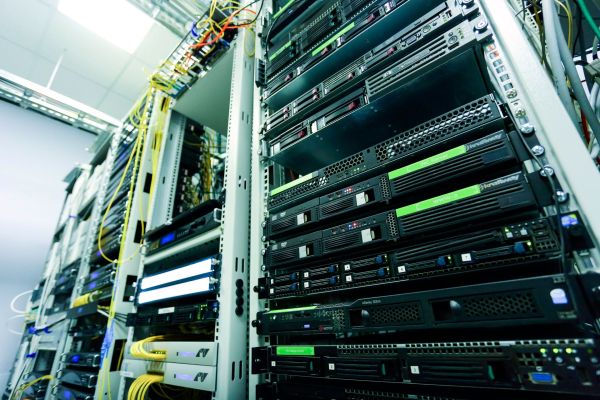
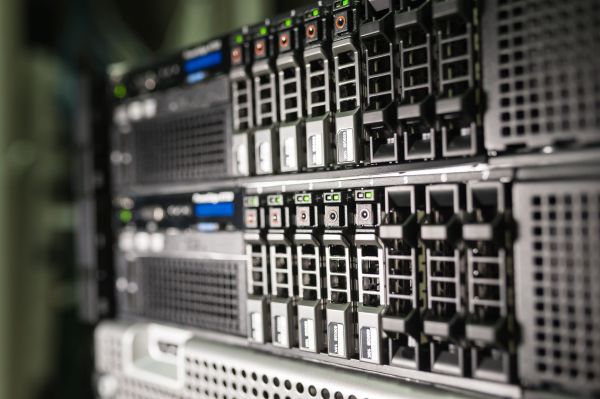
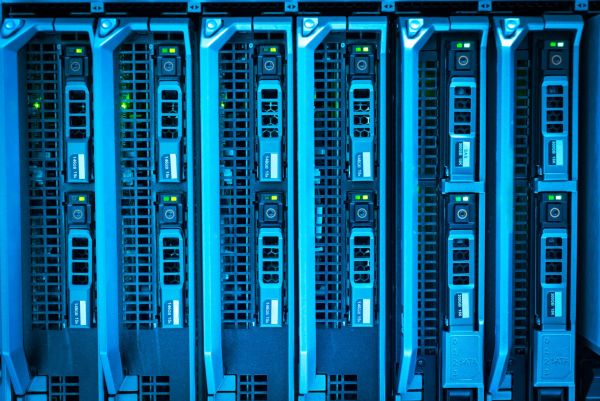
Technically it looks like you take e.g. Dell PowerEdge R740 or HPE DL380 Gen10, configure 64-128 GB RAM, RAID 1 or RAID 10 on SSD, redundant power supplies and you have environment that runs non-stop. No transfer fees, no API limits, no bill surprises.
Where cloud has advantage – and when is it really worth choosing?
Cloud makes sense when you need flexibility. If you're doing project that runs once in a while, seasonally or in test mode, there's no point investing in hardware.
In practice:
- you want to test new solution,
- you're running campaign that lasts a month,
- you don't have IT infrastructure,
→ then cloud is convenient because you launch environment in minutes and don't worry about configuration.
Problem appears only with longer use. Because what looks cheap at start begins growing – instance cost, data transfer, storage fees. And suddenly you're paying several times more for environment running constantly than for your own hardware.
So cloud is good tool – but not always good place for permanent environment.
Costs – where do you really burn budget?
Biggest difference between cloud and local server shows in costs, but not at start – only over time.
Local server:
- higher cost at beginning (e.g. 20-80k PLN),
- then only electricity and maintenance (about 1-2k PLN monthly),
Cloud:
- no investment at start,
- but continuous fees for every working hour.
And here we reach point many people ignore – if environment runs every day, after several months local server starts paying for itself. In many cases break-even appears even after 3-6 months of intensive use.
Instead of paying for resources you use anyway, you invest once and use without limit. That's why in environments like SQL, VMs, backup, ERP local server is simply more financially predictable.
How to select solution for your company – instead of guessing?
Simplest approach: match solution to how you work, not vice versa.
If:
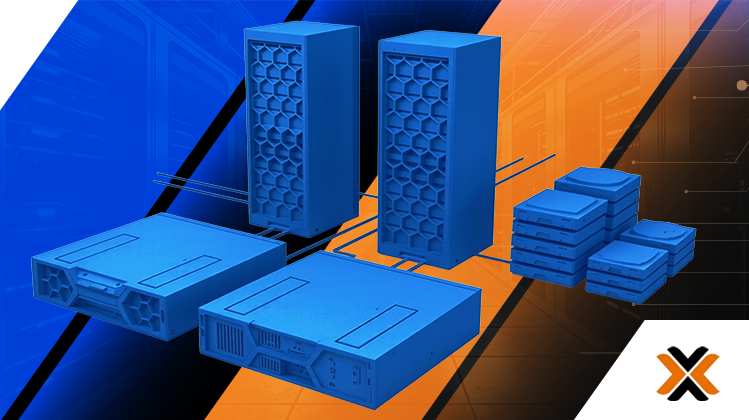
- you have small company and one system (e.g. accounting + files) → tower type Dell T150/T350 with RAID 1 and 32-64 GB RAM suffices,
- you have multiple services, users and virtualization → better go rack (R740, DL380) with 128 GB RAM and RAID 10,
- you need flexibility or testing → cloud.
And now important thing – well-prepared local server doesn't mean "playing with configuration". You get hardware that:
- already has RAID set,
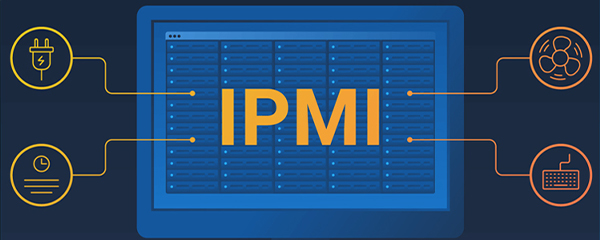
- works with iDRAC / iLO for remote management,
- is tested before deployment,
- has warranty up to 36 months.
So you don't start from scratch – only from ready environment.
Can you combine them – when hybrid makes most sense
In many cases best solution isn't "either-or" choice. More and more companies combine both approaches.
For example:
- local server handles ERP, database and daily work
- cloud is used for tests or temporary loads
This way you have cost control and stability but don't lose flexibility.
In practice this makes very much sense – basic things run locally, and cloud is just addition, not foundation of entire infrastructure. And this approach simply works best in many companies.
And what about data security – where you have real control over it
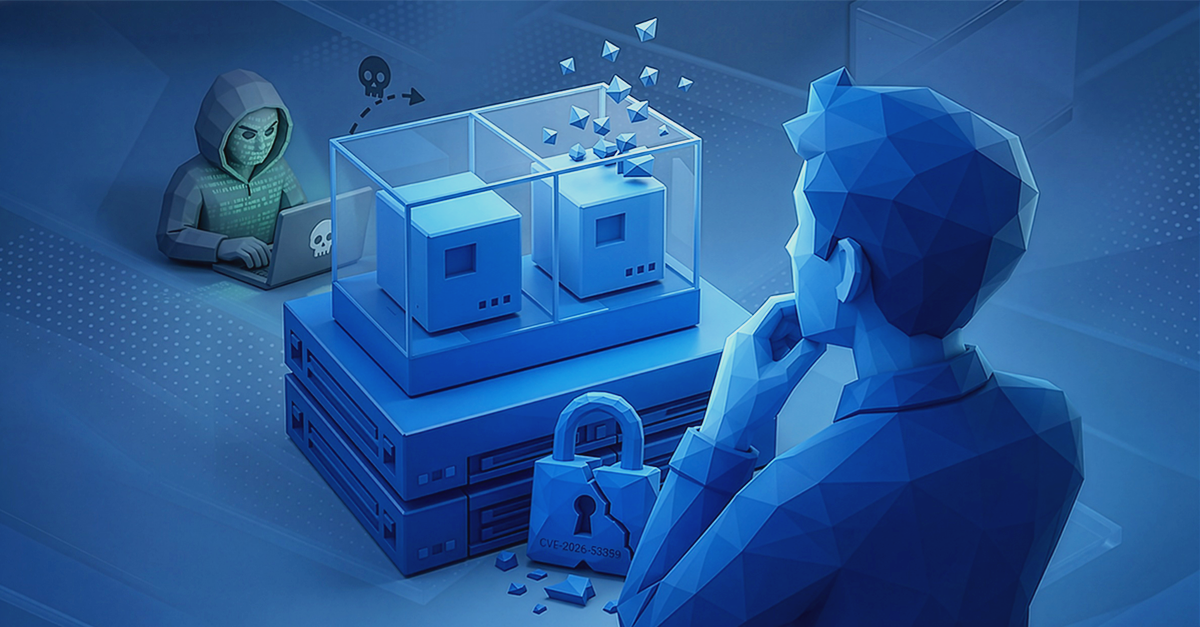
If you work with client data, finances or anything sensitive, security topic stops being "option" and becomes foundation. And here difference between cloud and local server is very concrete: in on-premise you have full control over where data is and who has access to it.
Data doesn't leave your infrastructure. No transfers to external data centers, no dependence on provider policy, no risk that something "changes in terms". Especially with projects like ERP, accounting systems, CRM or medical data – this makes huge difference.
Cloud can certainly be secure too, but relies on trusting provider and their configuration. And here problem often appears – misconfigured permissions, backups, public access. And suddenly it's not infrastructure that's problem, but how it's used.
If you care about full control and compliance (e.g. GDPR), local server simply gives more peace of mind.
Scaling – when cloud wins and when it starts limiting?
Cloud wins where you need quick scaling. If you suddenly need more power – you just buy it. No waiting, no investment, no planning.
But in practice most companies don't scale daily. They have rather steady load level with small spikes. And then cloud model starts being less efficient because you pay for something running all the time anyway.
Local server scales differently – you add RAM, disks or another server. Maybe less "instant", but more predictable. In environments like:
- virtualization (VMware, Proxmox),
- SQL + ERP,
- backup and archiving,
this approach works very well because you don't suddenly need 10× more power – just stable environment.
Worth thinking carefully because many people choose cloud "just in case" and never use that capacity.
How it looks in daily work – where real difference comes out?
Biggest difference isn't in specs, but in how you work daily. With local server you have:
- steady performance – without sharing resources with others
- no network latency delays
- full configuration control
This means system works the same today, tomorrow and next month. This is especially important with:
- working with databases,
- ERP systems,
- backups.
In cloud it happens that performance varies – because resources are shared. Add to that latency, meaning delays noticeable when working with files or database.
And this is moment when many companies start wondering if cloud convenience doesn't cost them too much in daily work.
FAQ
Is local server suitable for small company?
Yes, especially if you have steady systems like accounting, files or CRM. Even simple tower with RAID 1 and 32-64 GB RAM handles this comfortably.
Is cloud always cheaper?
No. At start yes, but with continuous use often comes out more expensive than own server – especially working 24/7.
How much RAM do I need for business server?
For basic applications 32-64 GB RAM suffices. If you have VMs, SQL or more users – aim for 128 GB.
RAID 1 or RAID 10 – what to choose?
RAID 1 for basic data and backup. If you have larger load and database work – RAID 10 gives better performance.
Is local server difficult to maintain?
No, if well prepared. You already have ready configuration, iDRAC / iLO for management and technical support, so you don't start from scratch.
Can you combine cloud and local server?
Yes – and this is often best solution. Local server handles daily work, and cloud is used for tests or temporary power increase.